
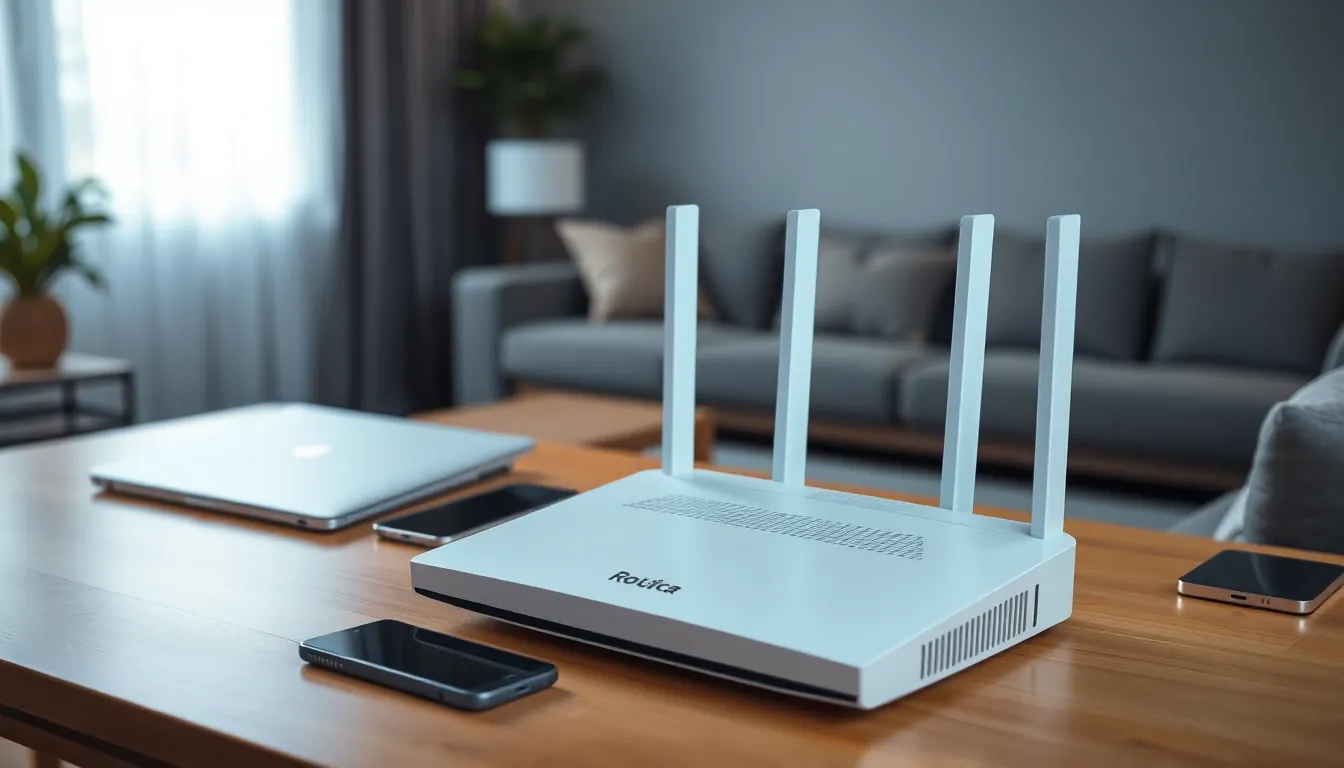
In today’s digital landscape, the importance of a secure router can’t be overstated. With the rise of cyber threats and data breaches, having a robust router that safeguards your home network is essential. A secure router acts as the first line of defense, protecting personal information and connected devices from malicious attacks.
As more devices connect to the internet, the risk of vulnerabilities increases. A secure router not only encrypts data but also provides features like firewalls and intrusion detection systems. Understanding how to choose and configure a secure router can make all the difference in maintaining online safety and privacy. Whether for work or leisure, ensuring your network is fortified against potential threats is crucial for every internet user.
What Is a Secure Router?
A secure router is a networking device designed to protect home or office networks from cyber threats and unauthorized access. It forms a barrier between the internet and connected devices, preventing intrusions and data breaches. Secure routers incorporate features that enhance security and provide safe internet access.
Key features of a secure router include:
- Data Encryption: This feature encrypts data transmitted over the network, making it unreadable to unauthorized users.
- Firewall Protection: A firewall analyzes incoming and outgoing traffic, blocking potential threats based on security rules.
- Intrusion Detection Systems: These systems monitor network activities for any suspicious behavior and alert users to potential threats.
- Network Access Controls: Secure routers allow users to set permission levels for connected devices, protecting sensitive information.
- Automatic Software Updates: Regular updates ensure that the router’s firmware remains current, addressing vulnerabilities and enhancing security.
In an era where IoT devices proliferate, selecting and configuring a secure router is essential. This step increases protection against evolving cyber threats and maintains the privacy of personal information across all devices.
Importance of Using a Secure Router

A secure router plays a vital role in defending networks from various threats in the digital landscape. Its comprehensive features help protect users’ privacy and maintain data integrity.
Cybersecurity Threats
Cybersecurity threats pose significant risks to home networks. Hackers exploit vulnerabilities in unsecured routers to gain unauthorized access, leading to data breaches and identity theft. Malware, phishing attacks, and denial-of-service (DoS) attacks are common tactics employed by cybercriminals. As internet-connected devices increase, these threats multiply, necessitating robust security measures. A secure router reduces this risk by employing advanced security protocols and ensuring that data transmitted across the network remains confidential and secure.
Benefits of Security Features
Security features of a secure router provide essential protection for users.
- Data Encryption: This feature secures data traffic, making it unreadable to unauthorized users. WPA3 is the latest encryption standard.
- Firewalls: Built-in firewalls act as a barrier between the internal network and external threats, blocking suspicious activity and unauthorized access attempts.
- Intrusion Detection Systems (IDS): IDS monitor network traffic for anomalies and alert users of potential security breaches.
- Network Access Controls: These controls restrict access to the network, allowing only authorized devices to connect and enhancing overall security.
- Automatic Software Updates: Regular updates ensure that routers have the latest security patches, protecting against new vulnerabilities.
Investing in a secure router with these features significantly enhances overall network security and provides peace of mind in an increasingly connected world.
Key Features to Look For
A secure router must incorporate specific features to enhance network protection. These features work collectively to safeguard home or office networks from potential cyber threats.
Firewall Capabilities
Firewall capabilities serve as a primary defense mechanism in a secure router. A robust firewall monitors incoming and outgoing traffic, blocking unauthorized access attempts. Firewalls may utilize stateful inspection, which tracks active connections, or deep packet inspection, which analyzes data packets for malicious activity. Selecting a router with advanced firewall capabilities mitigates risks associated with unauthorized access or potential attacks.
Encryption Standards
Encryption standards dictate the security level of data transmitted across the network. The latest standard, WPA3, offers enhanced protection against password guessing and improves security for unencrypted data. WPA3 also facilitates individualized data encryption for each device, offering an additional layer of security. Choosing a secure router that supports strong encryption standards safeguards personal information from interception by cybercriminals.
User Authentication
User authentication is essential for controlling access to a secure router. Routers equipped with multi-factor authentication methods add layers of security by requiring multiple forms of identification. Features like strong password policies and biometric verification enhance user authentication processes. Opting for routers that implement rigorous user authentication protocols reduces the likelihood of unauthorized users breaching the network.
Top Secure Routers on the Market
Several secure routers are available that provide robust protection against cyber threats. Below are detailed reviews of three top models.
Router A Review
Router A features advanced security protocols, including WPA3 encryption, offering superior protection against unauthorized access. Its built-in firewall effectively monitors incoming and outgoing traffic, ensuring potential threats are blocked before they reach connected devices. This router also includes an intuitive user interface, enabling easy configuration of security settings. Automatic software updates further enhance its security capabilities by addressing new vulnerabilities promptly. Users appreciate its fast performance and reliable connectivity, making it an excellent choice for both homes and small offices.
Router B Review
Router B emphasizes comprehensive security measures, integrating intrusion detection systems that monitor for unusual activity. This router provides extensive customization options, allowing users to manage network access controls efficiently. With a powerful firewall and WPA3 encryption, Router B safeguards user data against eavesdropping and unauthorized access. Its ability to support numerous devices simultaneously ensures seamless performance in smart home environments. Additionally, its robust parental controls offer further security for families, making it a suitable option for households with children.
Router C Review
Router C stands out with its combination of high-speed performance and advanced security features. Equipped with a multi-layer firewall, this router actively scans for potential threats, defending against malware and phishing attacks. Its user-friendly app simplifies the setup process and offers insights into network activity. Router C also includes advanced encryption options and supports guest networks to protect main networks. Frequent firmware updates help maintain security, ensuring protection against emerging threats. This router’s strong performance and security make it a top choice for tech-savvy users.
Investing in a secure router is essential for anyone looking to protect their digital life. With the increasing number of connected devices, the need for robust security measures has never been more crucial. A secure router not only safeguards personal information but also ensures that all devices on the network remain protected from evolving cyber threats.
By choosing a router with advanced features like WPA3 encryption and built-in firewalls, users can significantly enhance their online safety. The right configuration and regular updates further strengthen this defense. As cyber threats become more sophisticated, prioritizing network security is a smart move that offers peace of mind in an interconnected world.


