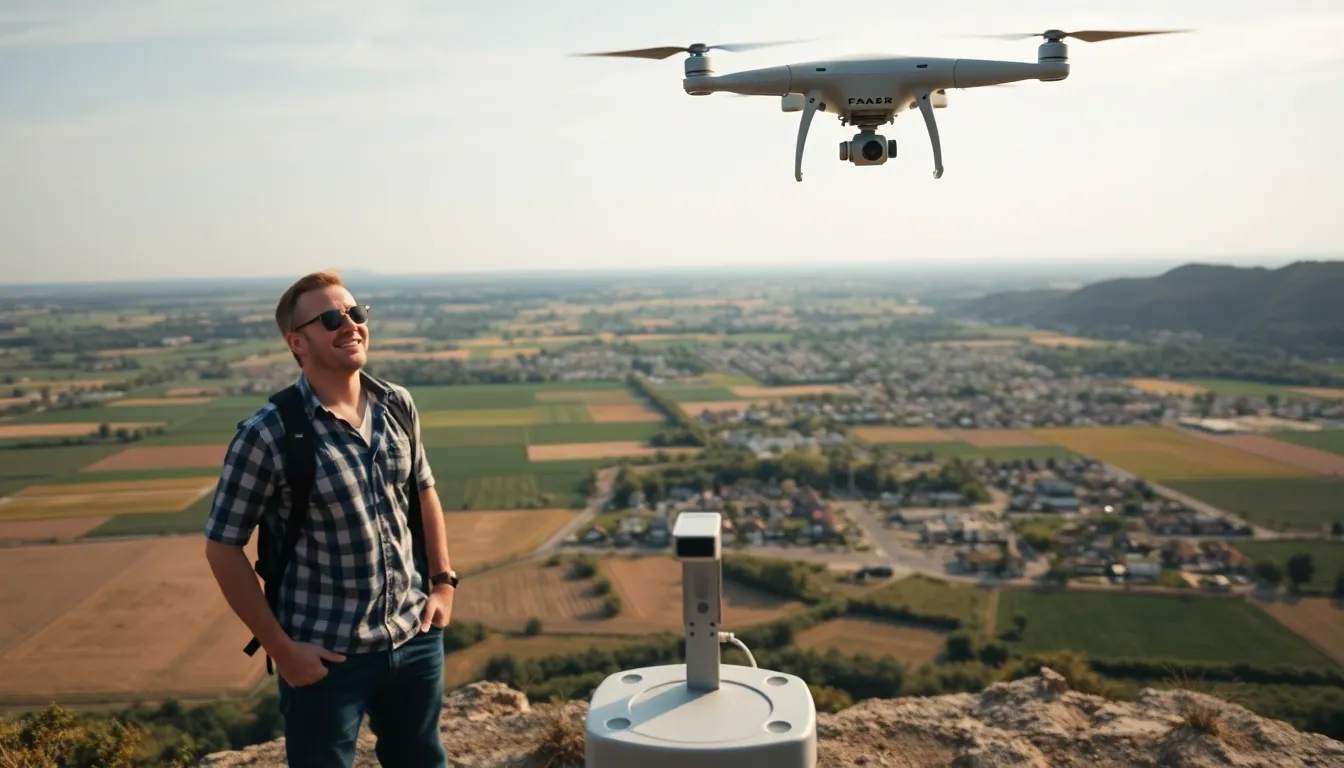
Drones have transformed the way industries operate and how individuals experience the world. From aerial photography to precision agriculture, these unmanned aerial vehicles are revolutionizing various sectors, making tasks faster and more efficient. Their versatility and accessibility have sparked a surge of interest, leading to innovative applications that were once thought to be the realm of science fiction.
As technology advances, drones are becoming increasingly sophisticated, equipped with features like obstacle avoidance and automated flight paths. This evolution not only enhances their functionality but also raises important questions about regulations, safety, and privacy. Understanding the impact of drones is essential for anyone looking to navigate this rapidly changing landscape, whether they’re enthusiasts, business owners, or policymakers.
Overview of Drones
Drones, also known as unmanned aerial vehicles (UAVs), utilize advanced technology for various applications. Drones are equipped with cameras, sensors, and radar systems, enabling functionalities such as aerial imagery, environmental monitoring, and delivery services.
Drones come in different categories, including recreational, commercial, and military models. Recreational drones cater to hobbyists interested in photography or racing. Commercial drones serve industries like agriculture, real estate, and infrastructure, offering services such as crop surveillance and building inspections. Military drones perform surveillance, reconnaissance, and targeted missions, showcasing their strategic advantages.
Regulations govern drone usage to ensure safety and privacy. The Federal Aviation Administration (FAA) in the United States sets guidelines, including registration requirements for certain drone weights and rules regarding flying near airports. Awareness of these regulations is essential for enthusiasts and business owners to avoid legal issues.
Advancements in drone technology enhance their capabilities significantly. Features such as GPS stabilization, automated flight planning, and obstacle avoidance systems improve user experience. High-definition cameras and thermal sensors enable detailed data collection, making drones invaluable in sectors like emergency management, wildlife observation, and construction.
Considerations regarding privacy are also integral to the discussion surrounding drones. Their ability to capture footage from elevated positions raises concerns about individual rights and data security. Stakeholders, including policymakers and community members, must address these issues to ensure responsible drone operation.
Types of Drones
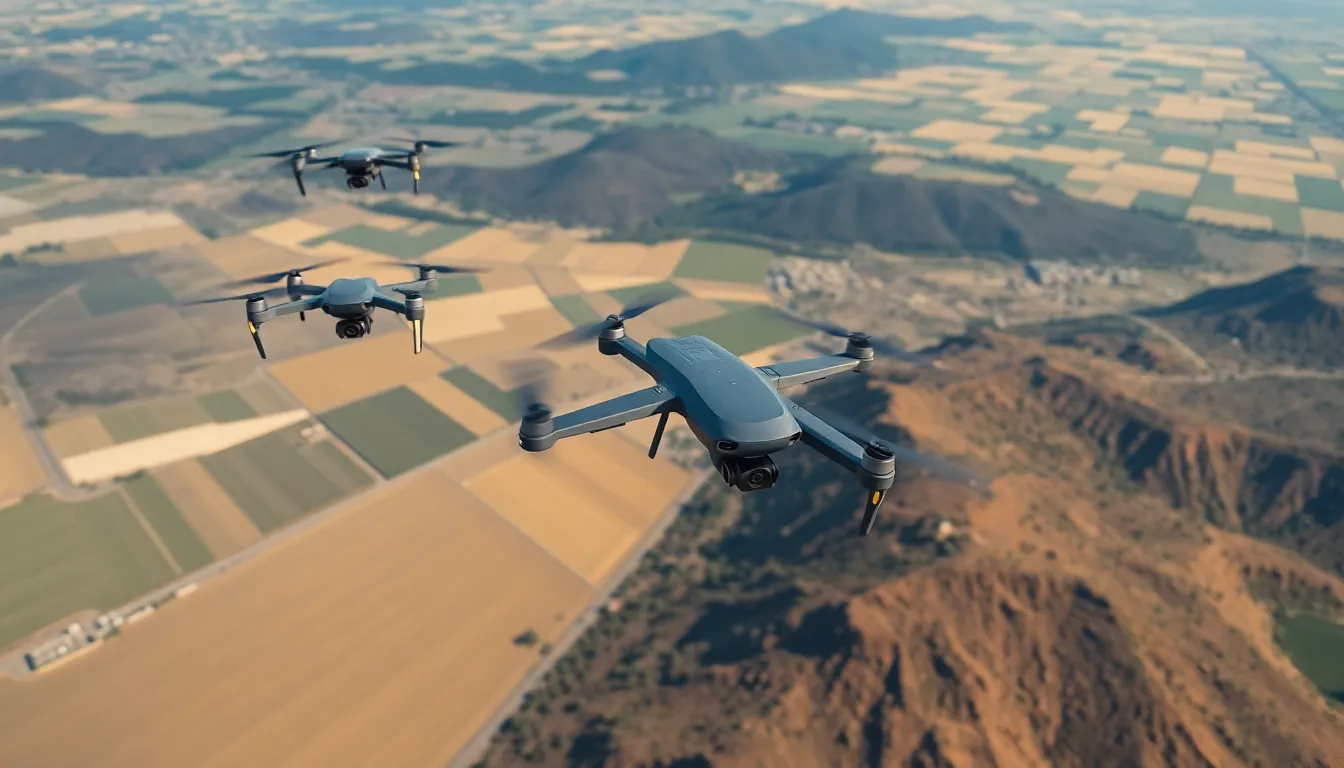
Drones can be classified into several categories based on their intended use, ranging from personal enjoyment to complex military applications. Each type of drone serves specific functions and markets.
Consumer Drones
Consumer drones, also known as hobbyist drones, cater to individuals seeking aerial photography and recreational flying experiences. These drones typically feature user-friendly interfaces, making them accessible for beginners. Common examples include the DJI Mini series and Parrot Anafi, both designed for capturing high-quality images and videos. Many consumer drones come equipped with cameras that offer 4K video quality and GPS capabilities, enhancing user experience and flight stability.
Commercial Drones
Commercial drones serve various industries, including agriculture, real estate, and delivery services. They feature advanced technology for tasks such as surveying land or monitoring crops. For instance, the SenseFly eBee X enables precision agriculture by collecting data for analysis while enhancing crop yield. The Wing delivery drone exemplifies advancements in logistics, facilitating swift package delivery in urban settings. Businesses capitalize on features like thermal imaging and LiDAR systems for improved data collection in commercial applications.
Military Drones
Military drones, often referred to as unmanned aerial vehicles (UAVs), are instrumental in operations such as reconnaissance, surveillance, and combat missions. They are built for durability and equipped with advanced sensors and weaponry. The MQ-9 Reaper, a prominent example, assists in intelligence gathering while also providing strike capabilities. These drones enhance situational awareness for military personnel in complex environments, reducing risks to human life during missions.
Applications of Drones
Drones are increasingly utilized across various sectors, showcasing their versatility and efficiency. Below are specific applications demonstrating their impactful use.
Aerial Photography
Aerial photography has transformed with the advent of drones. Drones equipped with high-resolution cameras capture stunning images and videos from unique perspectives. Photographers and filmmakers use drones for landscape photography, real estate marketing, and event coverage. Models such as the DJI Phantom series exemplify the capabilities in this field, allowing users to capture professional-quality footage effortlessly.
Agricultural Use
Drones play a significant role in modern agriculture, enhancing productivity and efficiency. Farmers use drones for crop monitoring, soil analysis, and field mapping. Equipped with multispectral sensors, drones assess crop health by evaluating different wavelengths of light. This data enables precision farming, allowing farmers to optimize inputs like water, pesticides, and fertilizers. Prominent models, such as the DJI Agras series, cater specifically to these agricultural applications.
Search and Rescue Operations
Drones are invaluable in search and rescue operations, providing rapid response capabilities. Equipped with thermal imaging cameras, drones locate missing persons in challenging terrains, such as forests or disaster-stricken areas. Their ability to cover large areas quickly enhances the success rate of rescue missions. Organizations such as fire departments and emergency services increasingly incorporate drones into their strategies to improve safety and efficiency during critical situations.
Pros and Cons of Drones
Drones offer numerous benefits and drawbacks across various applications. Understanding these advantages and disadvantages can guide users in making informed decisions.
Advantages
- Efficiency: Drones perform tasks faster than traditional methods, improving productivity across sectors like agriculture and logistics.
- Cost-Effectiveness: Drones reduce operational costs by minimizing manpower and resources required for tasks such as surveying and monitoring.
- Accessibility: Drones access hard-to-reach areas easily, allowing for aerial surveys in terrain that challenges human workers.
- Precision: Drones equipped with advanced sensors provide accurate data for applications like crop health assessment and environmental monitoring.
- Versatility: Drones adapt to various tasks, from photography and videography to emergency response and delivery services, catering to different industries.
Disadvantages
- Privacy Concerns: Drones can capture images and videos without consent, raising significant privacy issues for individuals.
- Regulatory Restrictions: Users must navigate a complex web of regulations, including FAA guidelines, which can limit operational flexibility.
- Safety Risks: Drones pose hazards if operated unsafely, including collisions with pedestrians or vehicles and potential accidents during service.
- Technical Limitations: Drones rely on batteries, which restrict flight time and range; this can hinder extensive missions or operations in remote areas.
- Public Misperceptions: Negative stereotypes and misuse can lead to backlash against drone technology, impacting acceptance and usage in certain communities.
Future of Drones
The future of drones promises substantial growth and innovation across multiple sectors. Advancements in artificial intelligence (AI) and machine learning enable drones to perform complex tasks with increased autonomy. Enhanced processing power allows for real-time data analysis, facilitating applications in logistics, agriculture, and public safety.
Integration of drones into smart city frameworks is gaining traction. Drones support infrastructure monitoring and environmental assessments. Cities leverage drone fleets to manage deliveries, traffic surveillance, and emergency response, improving urban living.
Regulatory frameworks are evolving to accommodate drone advancements. Governments globally are assessing safety and privacy concerns while enabling commercial drone use. Compliance with new regulations, such as remote identification and operational safety standards, is crucial for industry growth.
Sustainability efforts also shape the future of drones. Electric propulsion systems reduce carbon footprints, positioning drones as eco-friendly solutions for transportation and logistics. Companies are developing solar-powered drones to extend flight durations, making operations more efficient.
Market trends indicate increased investment in drone technology. The global drone market is projected to reach $43 billion by 2024, driven by commercial applications and innovations. Several sectors, including agriculture, logistics, and entertainment, showcase significant spending on drone technology.
Collaboration between industries highlights innovative applications. Partnerships between tech companies and research institutions drive developments in drone capabilities, such as advanced imaging and enhanced navigation systems. These collaborations foster innovation and expand market possibilities.
Emerging technologies, including 5G connectivity, will enhance drone performance. High-speed networks allow for seamless communication between drones and control systems. This connectivity supports advanced features like live video streaming and remote piloting, improving operational efficiency.
As drones continue to evolve, their integration into everyday life becomes increasingly pronounced. From delivery services to environmental monitoring, drones shape the future landscape of technology and service delivery.
Drones are reshaping industries and personal experiences in ways that were once unimaginable. Their ability to enhance efficiency and provide innovative solutions is driving rapid growth across various sectors. As technology continues to advance the capabilities of these unmanned aerial vehicles, their applications will only expand further.
With increased interest comes the necessity for responsible usage and adherence to regulations. Awareness of safety and privacy concerns is vital for all stakeholders involved. The future of drones looks promising as they integrate into everyday life, paving the way for smarter cities and more efficient operations. Embracing this technology responsibly will ensure its benefits are maximized while addressing the challenges that come with it.