

The Internet of Things (IoT) is transforming the way people interact with technology. By connecting everyday devices to the internet, it creates a seamless network that enhances convenience and efficiency in daily life. From smart home appliances to wearable health monitors, IoT is revolutionizing industries and personal experiences alike.
As more devices become interconnected, the potential for innovation grows exponentially. Businesses are leveraging IoT to streamline operations, improve customer experiences, and drive data-driven decisions. This technological evolution not only shapes how individuals live and work but also raises important questions about security and privacy in a hyper-connected world. Understanding IoT is crucial for anyone looking to navigate the future of technology.
Overview of Internet of Things
The Internet of Things (IoT) refers to the network of interconnected devices that communicate and exchange data via the internet. This connectivity enhances the functionality of everyday items, enabling improved convenience and efficiency across various applications.
Definition and Explanation
IoT encompasses a wide range of devices, such as smart home appliances, industrial sensors, and health monitors. These devices use sensors, software, and other technologies to collect and transmit data. By leveraging this data, users can automate processes, gain insights, and make informed decisions. The key components of IoT include:
- Devices: Physical objects equipped with sensors and actuators.
- Connectivity: The ability to connect to the internet and communicate with other devices.
- Data Processing: Analyzing the collected data for meaningful insights.
- User Interface: The means through which users interact with the system.
Brief History and Evolution
The concept of IoT dates back to the early 1980s when the first internet-connected appliance, a toaster, was developed at Carnegie Mellon University. Over the decades, IoT has evolved significantly due to advancements in technology. Key milestones include:
- 1999: The term “Internet of Things” was coined by Kevin Ashton.
- 2005: The International Telecommunications Union published a report highlighting the potential of IoT.
- 2010s: Rapid growth in connected devices, driven by the rise of smartphones and cloud computing.
- 2020: The number of connected IoT devices surpassed 30 billion globally.
These developments illustrate the rapid expansion of IoT, making it a critical element in the modernization of technology.
Key Components of Internet of Things
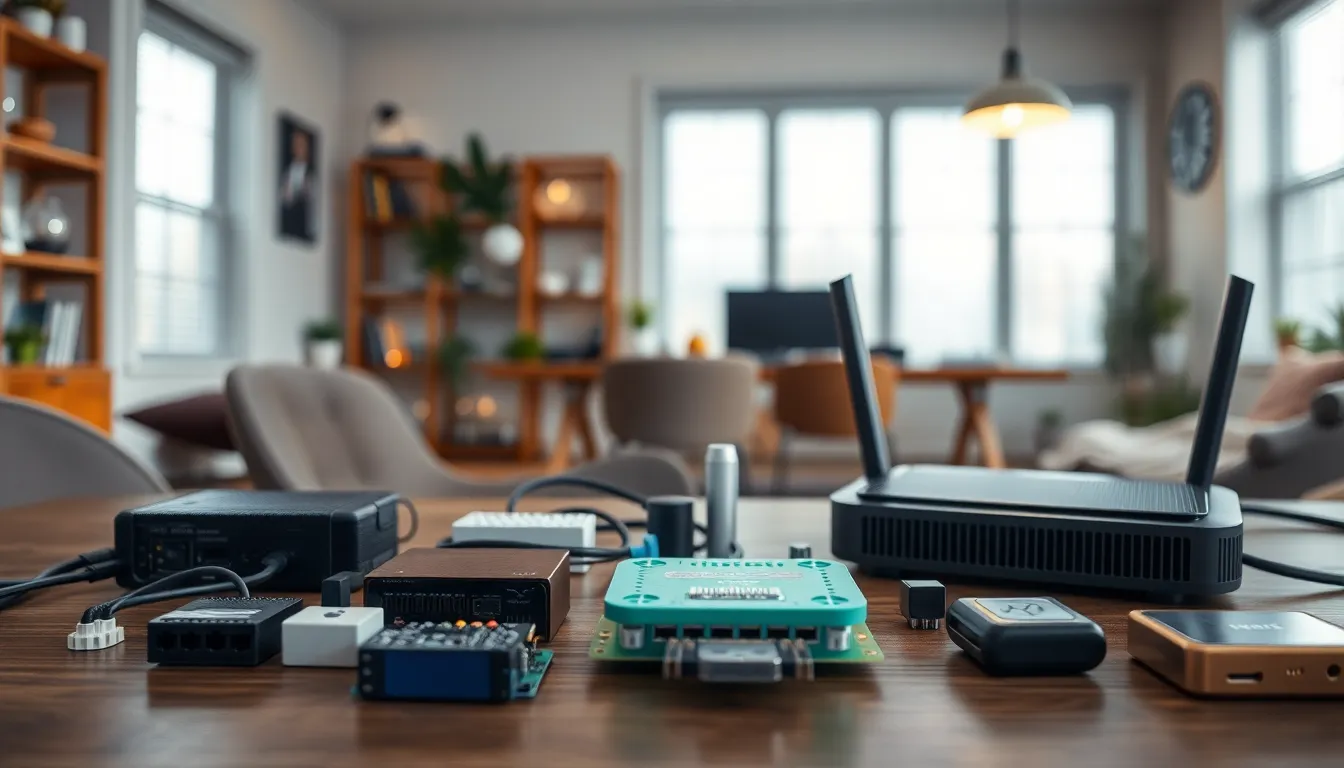
The Internet of Things (IoT) comprises several essential components that enable devices to connect, communicate, and perform specific functions. Understanding these components is crucial for leveraging IoT’s potential.
Sensors and Actuators
Sensors and actuators are fundamental to IoT functionality.
- Sensors gather data from the environment, including temperature, light, motion, and pressure. These devices convert physical phenomena into digital signals, allowing for real-time data collection.
- Actuators respond to control signals by executing specific actions, such as adjusting a thermostat or opening a valve. They convert electrical energy into mechanical motion, facilitating interaction with the surrounding environment.
These components work together to create an intelligent response system, enabling automatic adjustments and improvements in efficiency across various applications.
Connectivity Technologies
Connectivity technologies connect IoT devices to the internet and each other.
- Wi-Fi provides high bandwidth and widespread availability, ideal for home automation and smart devices requiring constant connections.
- Bluetooth offers short-range communication, suitable for wearable devices and personal area networks.
- Cellular networks support remote devices with wide coverage, enabling real-time monitoring and control of assets.
- LoRaWAN supports low-power devices over long distances, perfect for agricultural sensors and environmental monitoring.
- Zigbee enables low-power, low-data-rate applications, often used in home automation for device interconnectivity.
These technologies support various needs within IoT applications, ensuring reliable communication and data exchange.
Applications of Internet of Things
The Internet of Things (IoT) finds applications in various sectors, enhancing productivity, efficiency, and user experience. Two significant areas of focus include smart homes and industrial IoT.
Smart Homes
Smart home technology incorporates IoT devices to automate and improve daily living. Examples include:
- Smart Thermostats: Devices like Nest optimize energy consumption by learning user patterns.
- Smart Lights: Philips Hue allows users to control lighting remotely, enhancing energy efficiency.
- Security Systems: Cameras and alarms, such as Ring, provide real-time monitoring and alerts.
- Smart Appliances: Devices like smart refrigerators track inventory, manage expiration dates, and connect to grocery services.
Smart home applications contribute to convenience, energy savings, and security, creating connected living environments that adapt to residents’ needs.
Industrial IoT
Industrial IoT (IIoT) applies IoT technology to industrial sectors, driving operational efficiency. Examples include:
- Predictive Maintenance: Sensors monitor equipment health, predicting failures and reducing downtime.
- Supply Chain Management: IoT devices track inventory levels and optimize logistics via real-time data.
- Enhanced Manufacturing: Smart factories leverage automation, improving production efficiency and product quality.
- Remote Monitoring: IoT-enabled devices allow for overseeing remote operations, ensuring swift responses to issues.
Industrial IoT transforms traditional manufacturing and logistics, fostering innovation while enhancing productivity and competitiveness.
Benefits and Challenges
The Internet of Things (IoT) offers numerous advantages alongside significant challenges. Understanding both aspects is crucial for leveraging its potential while mitigating risks.
Advantages of Internet of Things
- Enhanced Efficiency: IoT devices optimize processes through automation, reducing human intervention in repetitive tasks.
- Improved Data Insights: IoT generates vast amounts of data, enabling advanced analytics that drive informed decision-making.
- Better Resource Management: Businesses can monitor and manage resources in real time, leading to reduced waste and cost savings.
- Increased Safety: IoT devices enhance safety through smart monitoring systems in homes and workplaces, alerting users to potential hazards.
- Convenient User Experiences: Smart devices like thermostats and lighting systems adapt to user preferences, enhancing comfort and convenience.
Security and Privacy Concerns
- Data Vulnerability: Increased connectivity exposes devices to cyberattacks, risking sensitive user data and operational integrity.
- User Privacy Issues: IoT devices collect personal data, raising concerns about consent and control over information sharing.
- Inconsistent Security Standards: Lack of uniform security protocols across devices leads to weaknesses that hackers can exploit.
- Unauthorized Access: Inadequate security measures allow unauthorized users to control IoT devices, posing risks to users’ safety and privacy.
- Compliance Challenges: Businesses face difficulties adhering to privacy regulations amid evolving IoT technologies and data usage practices.
Future Trends in Internet of Things
Emerging trends in the Internet of Things (IoT) showcase rapid advancements and expansions in technology, reshaping industries and daily life. Key areas of focus include emerging technologies and market growth predictions.
Emerging Technologies
Emerging technologies are driving IoT’s evolution, making systems more efficient and intelligent.
- Artificial Intelligence (AI) enhances IoT functionalities, enabling smart devices to learn from data, predict user behavior, and automate actions based on real-time analytics.
- Edge Computing reduces latency by processing data closer to the source, decreasing reliance on centralized cloud services and improving response times for critical applications.
- 5G Connectivity provides faster speeds and greater bandwidth, allowing for seamless communication between numerous devices, especially in smart cities and autonomous vehicles.
- Blockchain increases security by offering decentralized data management and immutable records, addressing concerns surrounding data integrity and privacy.
- Digital Twins create virtual replicas of physical assets, allowing for predictive maintenance and improved operational efficiencies across various sectors.
Market Growth Predictions
Market growth predictions for IoT demonstrate its expansive potential across multiple sectors.
| Year | Connected Devices (Billions) | Market Value (USD Trillions) |
|---|---|---|
| 2023 | 35 | 0.5 |
| 2025 | 50 | 1.1 |
| 2030 | 75 | 2.4 |
Analysts project IoT’s global market value will reach approximately $2.4 trillion by 2030. Increasing adoption in smart homes, healthcare, transportation, and industrial applications drives this growth. A broader range of interconnected devices enhances efficiency, promotes innovation, and transforms how organizations operate, underscoring the importance of IoT in the near future.
The Internet of Things is undeniably reshaping the way people interact with technology and each other. As more devices become interconnected the possibilities for innovation and efficiency are virtually limitless. Businesses and individuals alike can reap the benefits of enhanced convenience and improved operations.
However the challenges of security and privacy cannot be overlooked. As the landscape evolves staying informed and proactive about these issues will be essential for maximizing the potential of IoT. The future holds exciting advancements that promise to further integrate IoT into daily life and industry. Embracing this technology while addressing its challenges will pave the way for a smarter more connected world.


