

Virtual reality is transforming the marketing landscape, offering brands an innovative way to engage consumers. With immersive experiences that captivate audiences, marketers are discovering how VR can create memorable interactions that drive brand loyalty and boost sales.
As technology advances, businesses are leveraging virtual reality to showcase products in a dynamic environment, allowing potential customers to visualize their purchases like never before. From virtual showrooms to interactive advertisements, VR is reshaping how companies connect with their target audience, making marketing strategies more effective and impactful.
In a world where attention spans are fleeting, virtual reality stands out as a powerful tool that not only captures interest but also fosters deeper emotional connections between brands and consumers.
Overview of Virtual Reality in Marketing
Virtual reality (VR) revolutionizes marketing by creating immersive experiences that captivate consumers. Brands leverage VR to enhance engagement and build stronger emotional connections with their audiences. Marketers utilize VR to simulate real-world interactions, enabling potential customers to explore products within a virtual environment.
Key Applications of VR in Marketing
- Immersive Experiences
Businesses design VR experiences that allow users to interact with products in a three-dimensional space, making the purchasing process more engaging.
- Virtual Showrooms
Companies create virtual showrooms, allowing consumers to navigate through products from the comfort of their homes, improving convenience and accessibility.
- Interactive Advertisements
Marketers implement VR in advertisements, offering users interactive content that enhances brand recall and product understanding.
- Product Demonstrations
Brands utilize VR to provide realistic product demonstrations. Consumers can experience the functionality and benefits of products firsthand, leading to informed purchase decisions.
- Event Marketing
Organizations deploy VR technologies during events, enhancing participant experiences and generating buzz through memorable interactions.
Benefits of VR in Marketing
- Increased Engagement
VR captures attention in a crowded market, fostering higher engagement levels compared to traditional marketing methods.
- Enhanced Brand Loyalty
By offering unique and memorable experiences, brands cultivate stronger loyalty among consumers, promoting repeat business.
- Data Insights
VR technology collects valuable data on user behavior and preferences. Marketers analyze this data to refine strategies and improve customer targeting.
- Competitive Advantage
Early adopters of VR gain a competitive edge, attracting tech-savvy consumers who seek innovative brand experiences.
- Cost Efficiency
While the initial investment may be substantial, VR can reduce costs over time by minimizing returns and increasing conversion rates.
Challenges in Implementing VR
- High Development Costs
Creating high-quality VR content can be expensive, requiring significant investment in technology and expertise.
- User Accessibility
Not all consumers have access to VR devices, limiting the potential audience for VR marketing campaigns.
- Technical Limitations
VR experiences often depend on advanced technology, which can malfunction or require regular updates.
- Content Creation Skills
Producing compelling VR content necessitates specialized skills that may not be readily available within marketing teams.
- Market Education
Brands must educate consumers on how to use VR, ensuring a smooth entry into virtual experiences.
By integrating VR into their marketing strategies, brands can differentiate themselves in an evolving marketplace and create lasting impressions on consumers.
Benefits of Virtual Reality in Marketing
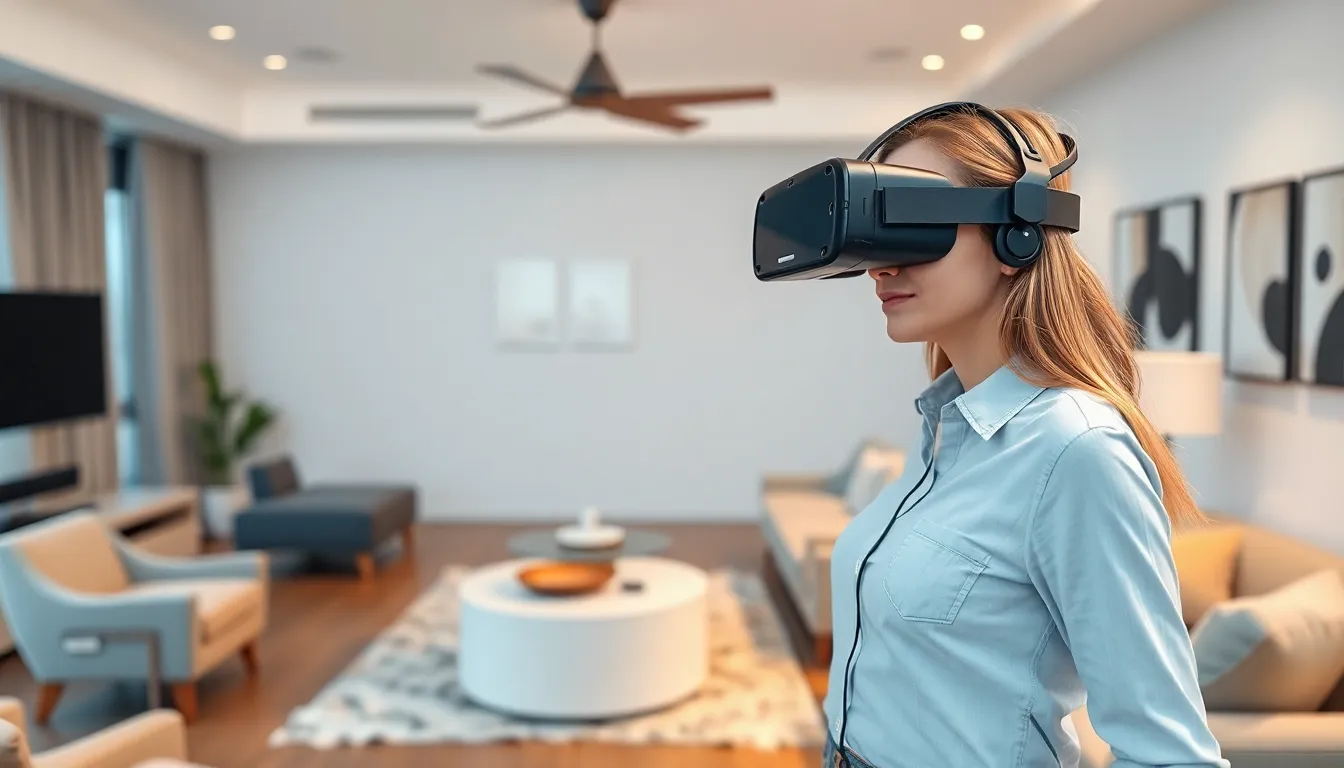
Virtual reality (VR) offers diverse benefits in marketing, enabling brands to connect with consumers through innovative and engaging methods. Increased engagement and memorable experiences stand out as significant advantages of VR utilization.
Enhanced Customer Engagement
Enhanced customer engagement occurs as consumers experience products in realistic, interactive environments. Brands employing VR can provide users with personalized experiences that capture attention. For example, users can engage with products by viewing them from different angles or trying them virtually. According to a study by the Nielsen Norman Group, users spend 75% more time with immersive content than with traditional media, promoting deeper interactions. Engaged consumers are more likely to recall brands and convert interest into action.
Immersive Brand Experiences
Immersive brand experiences elevate how consumers perceive products. By leveraging VR, brands create realistic simulations that foster emotional connections. Companies like IKEA use virtual showrooms to allow users to visualize furniture in their homes, enhancing purchasing confidence. An article in the Harvard Business Review highlights that immersive experiences increase consumers’ emotional attachment, leading to higher brand loyalty. Such techniques help differentiate brands in competitive markets and establish lasting impressions.
Challenges Faced by Marketers
Marketers encounter several challenges when integrating virtual reality into their strategies. These obstacles can hinder the successful application of VR in marketing efforts.
High Implementation Costs
High development costs pose a significant barrier for marketers. Creating quality VR content requires substantial investment in technology, software, and talent. For instance, developing an engaging virtual experience can range from $10,000 to over $200,000, depending on complexity and features. This financial commitment may deter smaller businesses from adopting VR solutions, leaving them at a disadvantage compared to larger competitors who can allocate more resources.
Technology Accessibility
Technology accessibility presents another challenge. While VR technology has advanced, many consumers still lack the necessary equipment, such as VR headsets or high-performance computers. Studies show that only 30% of households own VR devices, limiting the potential audience for VR marketing campaigns. Marketers must consider these accessibility issues while strategizing, perhaps by offering alternative formats, such as 360-degree videos that can be viewed on standard devices, to engage a broader audience.
Successful Case Studies
Brands in various sectors are leveraging virtual reality (VR) to transform their marketing strategies effectively. Below are notable examples of VR applications across industries.
Retail Industry
IKEA utilized VR to enhance customer shopping experiences through its “IKEA Place” app. Consumers can virtually place furniture in their homes, allowing them to visualize products in their own spaces. This interactive element significantly boosts customer confidence in purchasing decisions, leading to higher conversion rates. A study indicated that users spent 70% more time engaging with the product via the app compared to traditional browsing methods. As a result, IKEA reported increased sales and improved customer satisfaction.
Nike implemented immersive VR experiences in select stores, allowing customers to engage with products through interactive displays. This approach facilitated an emotional connection between the brand and consumers, enhancing brand loyalty. During a specific campaign, Nike noted a 30% rise in in-store engagement and a significant increase in sales tied to the VR experience.
Real Estate Market
Matterport revolutionized property viewing with its 3D virtual tours, enabling potential buyers to explore listings remotely. Users can navigate spaces at their own pace, providing detailed views of properties without physical visits. This convenience has accelerated the decision-making process, leading to increased inquiries and faster sales transactions. In one case, real estate agents reported a 95% increase in leads after implementing Matterport tours in their listings.
Zillow adopted VR technology to create immersive home showings. Features like virtual walk-throughs allow consumers to engage with properties more deeply. This application resulted in a marked increase in user engagement, with reports of visitors spending up to three times longer exploring listings compared to standard photos. As a consequence, Zillow experienced a notable surge in customer interest and agent activity.
Future Trends in Virtual Reality Marketing
Virtual reality (VR) marketing is on a trajectory toward more sophisticated applications that enhance user experiences and drive engagement. Growth in technology leads to innovative opportunities for brands to create deeper connections with consumers while providing enhanced interactivity.
- Personalized Experiences
Personalization becomes paramount as brands harness VR to tailor experiences based on user preferences and behaviors. Businesses can analyze data from user interactions to develop targeted campaigns that resonate on an individual level.
- Social VR Integration
Social elements in VR environments are set to expand. By incorporating social features, brands can encourage users to engage with each other in virtual spaces, generating organic conversations around products and services that elevate brand visibility.
- Augmented Reality (AR) Convergence
The integration of AR with VR offers unique marketing opportunities. By providing interactive experiences that blend virtual elements with reality, businesses can appeal to consumers through both immersive engagement and practical utility, such as trying products virtually in real environments.
- Data-Driven Insights
Enhanced analytics capabilities in VR environments allow brands to gather valuable insights on user behavior. This data helps marketers optimize campaigns in real-time, ensuring that content remains relevant and impactful.
- Virtual Influencer Collaborations
The rise of virtual influencers presents a novel marketing avenue. These digital personas engage audiences in authentic ways, enabling brands to connect with consumers through relatable and innovative storytelling.
- Cross-Platform Accessibility
As VR technology becomes increasingly accessible, cross-platform compatibility will emerge as a key trend. Brands will create VR experiences that work across various devices, ensuring broader reach and participation.
- Sustainable Marketing Practices
The shift towards sustainability will influence VR marketing strategies. Eco-conscious brands can use VR to educate consumers about their sustainable practices, fostering brand loyalty while also aligning with consumer values.
- Immersive Retail Experiences
Future retail environments are likely to evolve into fully immersive shopping experiences. Virtual stores can seamlessly integrate product exploration, purchasing options, and social interactions to mimic physical shopping experiences while enhancing convenience.
- Training and Education Initiatives
VR’s potential extends beyond entertainment; it will play a significant role in training and educational initiatives. Brands can utilize VR to effectively train employees or educate consumers with hands-on experiences that make product usage intuitive.
- Enhanced User-Generated Content
User-generated content will elevate with immersive VR experiences. Consumers will engage in creating content that reflects their authentic experiences with brands, boosting credibility and brand trust.
These trends predict a dynamic future for virtual reality in marketing, promising enhanced engagement, creativity, and consumer loyalty as brands leverage new technologies to connect with audiences.
Virtual reality is reshaping the marketing landscape by offering brands innovative ways to connect with consumers. As businesses embrace this technology, they’re not just enhancing engagement but also fostering deeper emotional connections. The immersive experiences created through VR allow for unique interactions that traditional marketing methods simply can’t achieve.
While challenges exist in implementation and accessibility, the potential rewards are substantial. Companies that leverage VR effectively are likely to stand out in competitive markets and create lasting impressions on their audiences. The future of VR in marketing promises even greater opportunities as technology continues to evolve, making it an essential tool for brands aiming to thrive in an increasingly digital world.


